
Specialized Care for the Natural Stone in Your Home
Professional cleaning and sealing for travertine, limestone, slate, marble, granite, and other suitable natural-stone floors, countertops, showers, and features.
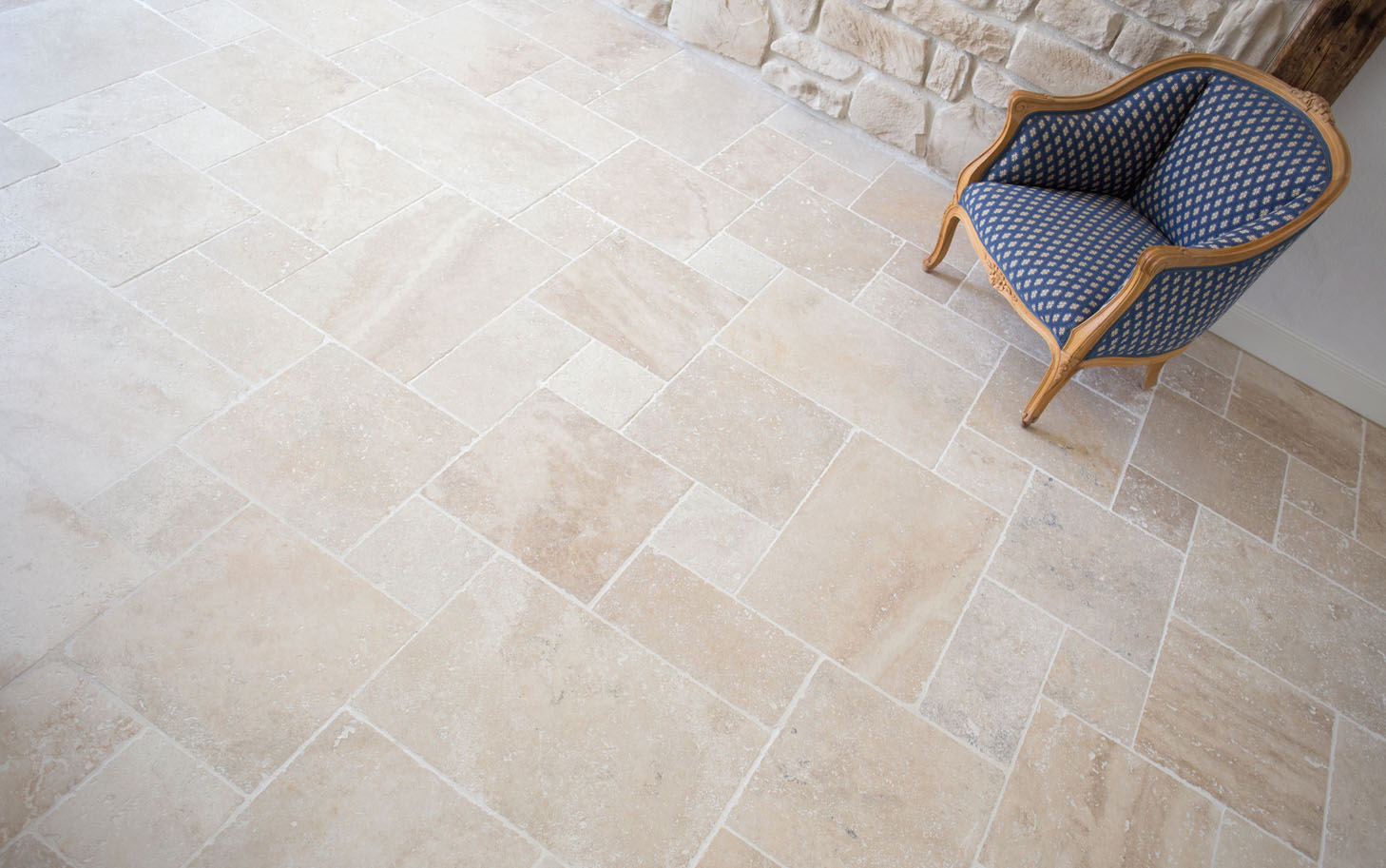
The Right Process Begins with Identifying the Stone
Natural stone varies in hardness, porosity, mineral content, texture, finish, and sensitivity. A treatment that works for granite may be unsuitable for limestone, marble, travertine, or slate.
Natural Surface Restoration evaluates the surface, existing finish, soil level, coatings, grout, damage, and absorption before recommending a process. Stone-compatible products and controlled methods help lift soil and residue without unnecessarily compromising the material’s natural character.
- Floors and entryways
- Countertops and vanities
- Showers and bathroom stone
- Residential stone features
Care Tailored to the Surface in Front of Us
The correct cleaner, dwell time, agitation, extraction, finish treatment, and sealer depend on the stone and its condition.

Travertine, Limestone & Marble
These acid-sensitive stones require pH-appropriate cleaning and careful evaluation of etching, wear, filled areas, pores, and finish.

Slate & Similar Surfaces
Textured clefts and grout lines can hold embedded soil. The process is selected to clean thoroughly while respecting the stone and existing treatment.
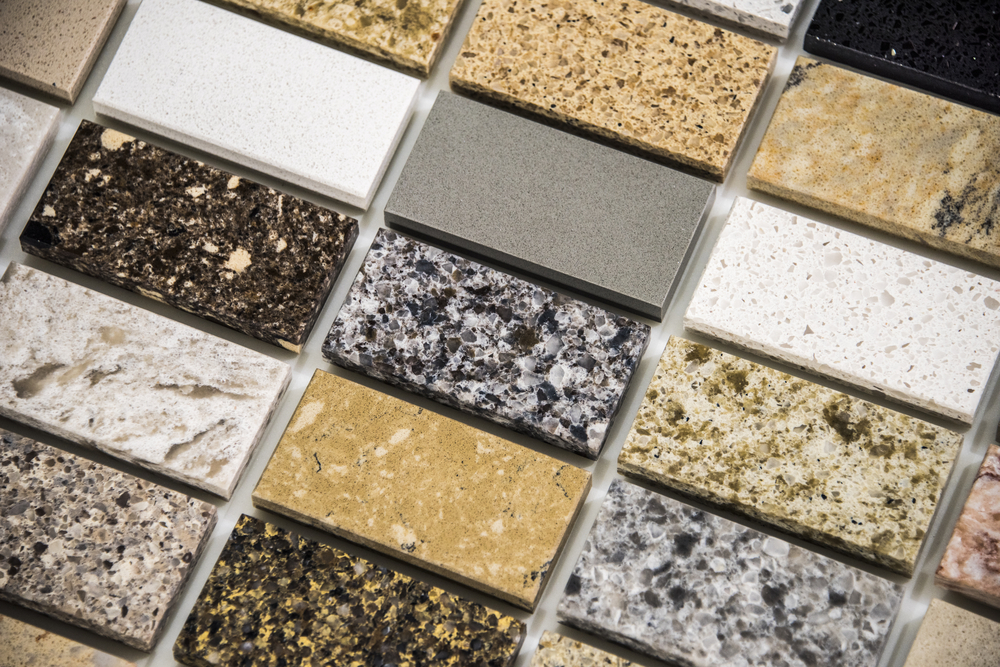
Granite & Other Natural Stone
Stone identification and a small test area help determine whether cleaning, polishing, coating removal, sealing, or another service is appropriate.
From Inspection to a Cleaner, Better-Protected Surface
Every project is adjusted for the stone, finish, use, and existing condition rather than forced into a single universal treatment.
Identify and Inspect
Evaluate stone type, finish, traffic patterns, soil, stains, grout, damage, coatings, and previous treatments.
Test and Prepare
Choose compatible products, protect adjoining materials, and confirm the planned method in an inconspicuous area when needed.
Deep Clean
Loosen and remove embedded soil and residue using controlled agitation and extraction appropriate for the surface.
Dry and Protect
Allow proper drying and apply a compatible penetrating sealer when the stone’s absorption and intended use call for it.
Protection Without Unrealistic Promises
A penetrating sealer can reduce absorption and give you more time to clean certain spills. It does not make stone stain-proof, scratch-proof, waterproof, or immune to acidic etching.
- Sealing is considered after the stone is properly cleaned and dry.
- The product is selected for stone type, finish, location, and absorption.
- Excess sealer must be removed correctly to avoid haze or residue.
- Water beading alone does not determine whether resealing is necessary.
- Marble, limestone, and travertine can still etch after sealing.
Natural Stone Cleaning and Sealing FAQs
Straightforward answers about safe cleaning, sealing, maintenance, timing, and estimates.
What is the safest way to clean natural stone?
Use a soft cloth or mop and a pH-neutral cleaner specifically labeled for your type of natural stone. Avoid vinegar, lemon, acidic bathroom cleaners, harsh powders, and abrasive pads unless a qualified professional has confirmed a different process.
How often should natural stone be professionally cleaned or sealed?
There is no universal schedule. Stone type, porosity, sealer, traffic, exposure, cleaning products, and maintenance all affect timing. A condition and absorption evaluation is more reliable than resealing automatically every year.
Does natural stone sealer prevent stains and etching?
Sealer can reduce absorption and help limit certain stains, but it cannot make stone stain-proof. It also does not prevent acids from etching calcium-based stones such as marble, limestone, and travertine.
Do different types of natural stone require different care?
Yes. Mineral composition, hardness, porosity, texture, finish, fillers, and previous coatings affect the correct method. Softer or acid-sensitive stones often require different products and techniques than dense granite or textured slate.
Can every stain be removed from natural stone?
No result should be promised before inspection. Success depends on the staining material, depth, duration, stone type, finish, prior treatments, and whether the mark is actually a stain, an etch, or physical damage.
What does professional natural stone cleaning cost?
Pricing depends on the stone, square footage, access, soil level, grout condition, existing coatings, stains, repairs, finish work, and whether sealing is appropriate. Natural Surface Restoration provides a project-specific estimate after learning about the surface.
Give Your Natural Stone the Specialized Care It Deserves
Contact Natural Surface Restoration to discuss embedded soil, dullness, staining, grout buildup, previous coatings, or sealing for your natural-stone surfaces.