
Renew the Finish, Character, and Beauty of Your Stone Floors
Professional restoration for dull, scratched, etched, stained, worn, or uneven natural-stone flooring throughout Gainesville and North Central Florida.
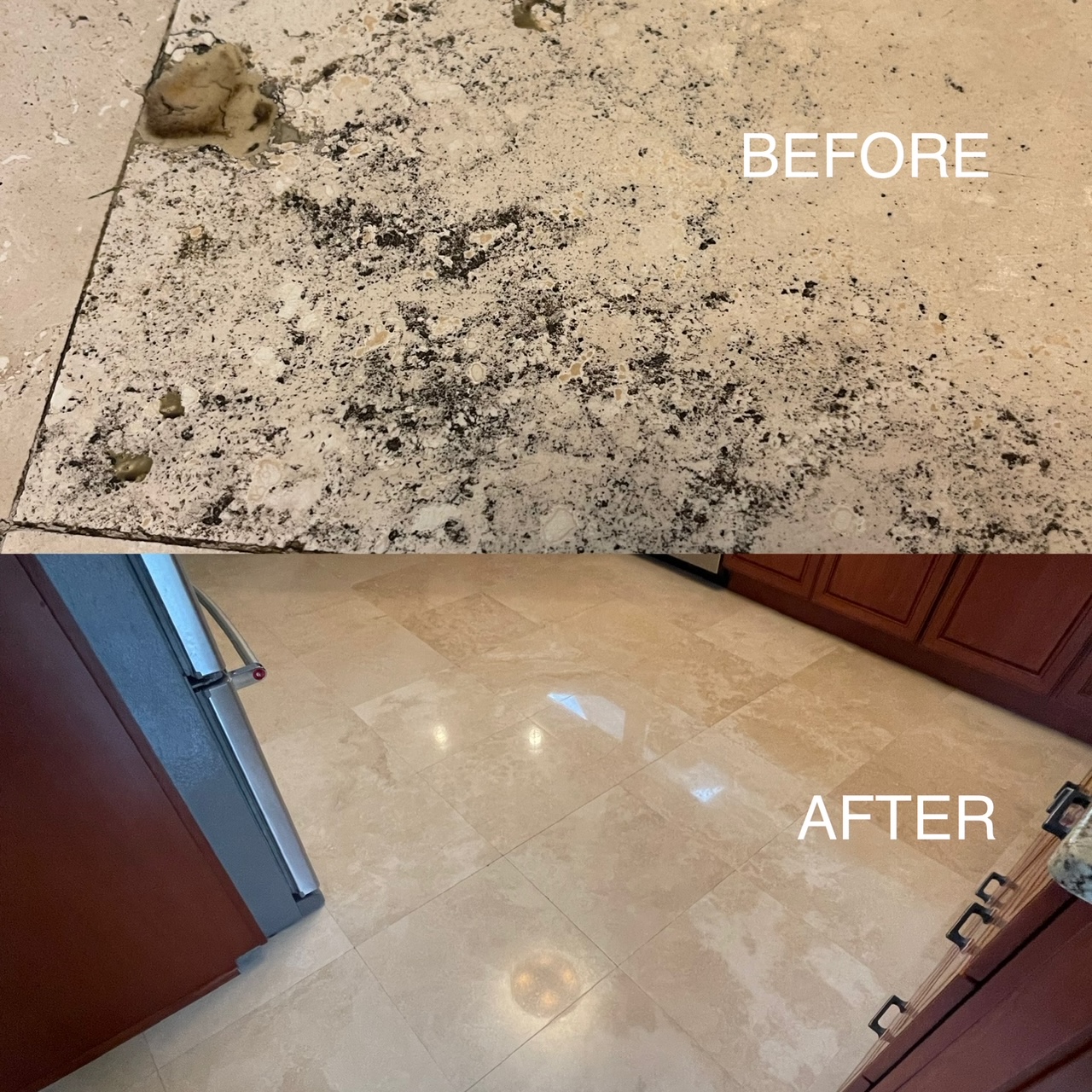
More Than a Surface-Level Cleaning
Stone floor restoration addresses changes that routine cleaning cannot correct. Depending on the material and condition, this may include embedded soil, etching, scratched traffic lanes, uneven sheen, stains, pits, chips, cracks, failed fillers, or tile lippage.
Natural Surface Restoration begins with the stone type, existing finish, installation condition, previous treatments, and result you want. The recommended process may range from deep cleaning and refinement to multi-stage honing, polishing, localized repair, flattening, and sealing.
- Marble and travertine
- Limestone and terrazzo
- Granite and suitable slate
- Residential and commercial floors
The Right Treatment for the Right Type of Wear
Not every mark is a stain, and not every floor needs grinding. Identifying the cause helps determine the least aggressive effective process.
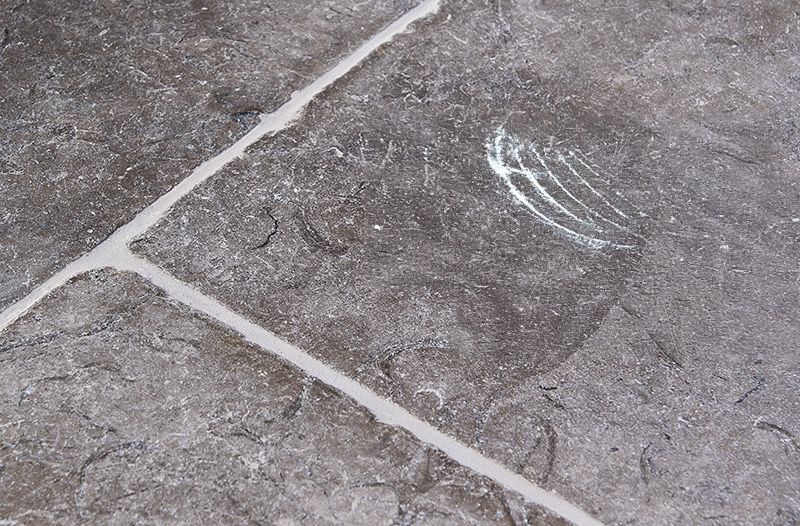
Scratches, Etching & Dullness
Progressive honing can improve eligible scratches, etched areas, and worn traffic paths before the floor is refined to the selected finish.
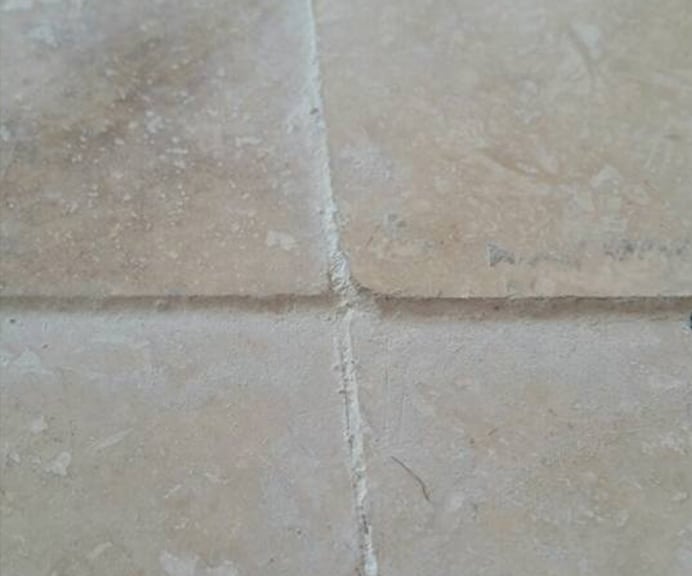
Lippage and Floor Flattening
Where the installation and stone allow, controlled grinding can reduce height differences between adjoining tiles and create a more uniform surface.
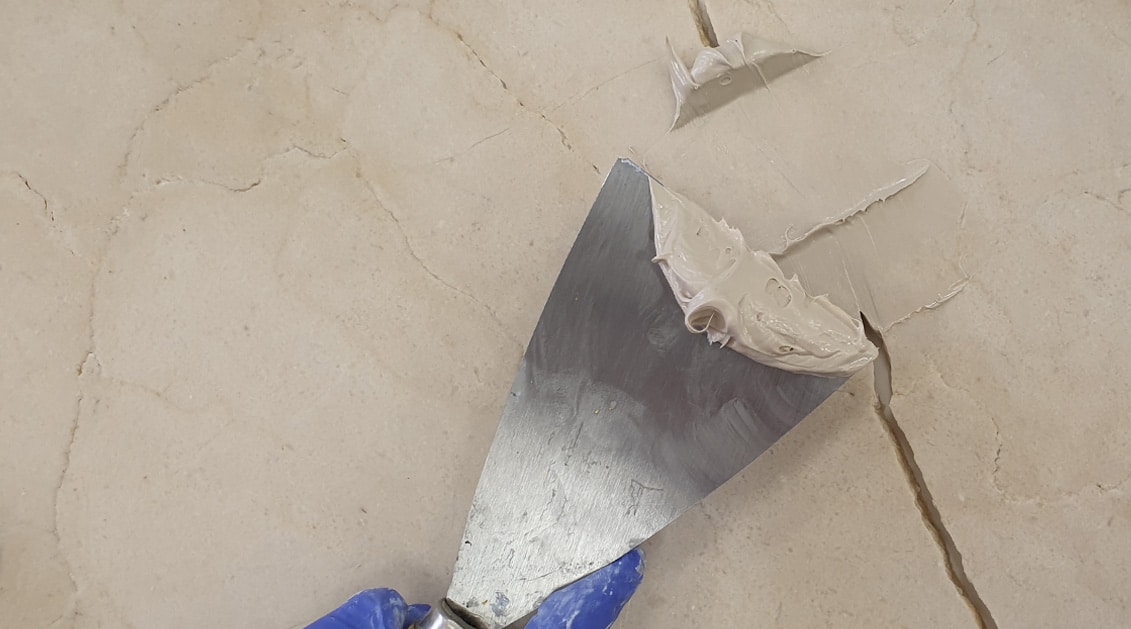
Cracks, Chips, Pits & Fillers
Damage is evaluated to determine whether filling, patching, replacement, or another repair approach can provide an appropriate improvement.
Controlled Refinement, One Stage at a Time
The number of steps and abrasive sequence are selected for the stone, depth of wear, existing finish, and desired appearance.
Inspect and Identify
Evaluate material, finish, installation, damage, stains, lippage, repairs, coatings, grout, and traffic patterns.
Test and Set Expectations
Confirm a suitable process and explain which defects can likely be improved and which may remain visible.
Repair, Grind or Hone
Use the least aggressive appropriate method to address eligible damage and create a more consistent surface.
Refine and Protect
Polish or hone to the selected appearance, detail the floor, and apply a compatible sealer when appropriate.
Simple Habits Help Preserve the Finish
Good daily care can reduce scratching, dull traffic lanes, soil buildup, and premature wear after restoration.
- Use walk-off mats to capture sand and grit at entrances.
- Dust mop or vacuum regularly with stone-safe attachments.
- Clean with a pH-neutral product made for natural stone.
- Blot spills promptly instead of allowing them to dwell.
- Avoid vinegar, acidic cleaners, abrasive powders, and harsh pads.
- Use felt protection beneath furniture and heavy decorative items.
Stone Floor Restoration FAQs
Helpful answers about restoration methods, suitable stone types, project timing, repairs, sealing, and estimates.
What does stone floor restoration include?
The process depends on the floor. It may include deep cleaning, coating removal, filling, localized repair, grinding, honing, polishing, grout detailing, and sealing. An inspection determines which steps are appropriate rather than applying every step automatically.
How often should stone floors be restored?
There is no fixed schedule. Stone type, finish, traffic, grit, spills, cleaning products, maintenance, and previous restoration all affect timing. Service is best considered when visible wear, dull paths, etching, scratches, staining, or uneven sheen develops.
Which types of stone floors can be restored?
Marble, travertine, limestone, terrazzo, granite, and some slate floors may be candidates. The available methods vary because each material, finish, thickness, installation, and prior treatment can respond differently.
Can every crack, scratch, stain, or uneven tile be completely removed?
No result should be guaranteed before inspection. Improvement depends on the depth and cause of the damage, the stone, installation, available thickness, previous repairs, and whether correction could create additional risk.
Will sealing prevent future scratches or etching?
No. A penetrating sealer can reduce absorption and help limit certain stains, but it does not prevent scratching, physical wear, or acidic etching on marble, limestone, and travertine.
What does professional stone floor restoration cost in Florida?
Pricing depends on square footage, stone type, access, finish, depth of damage, repairs, lippage, coating removal, refinement steps, and sealing requirements. Natural Surface Restoration provides a project-specific estimate after evaluating the floor.
Ready to Reveal the Beauty in Your Stone Floors?
Contact Natural Surface Restoration to discuss dullness, scratching, etching, stains, lippage, cracks, honing, polishing, or complete stone floor restoration.