
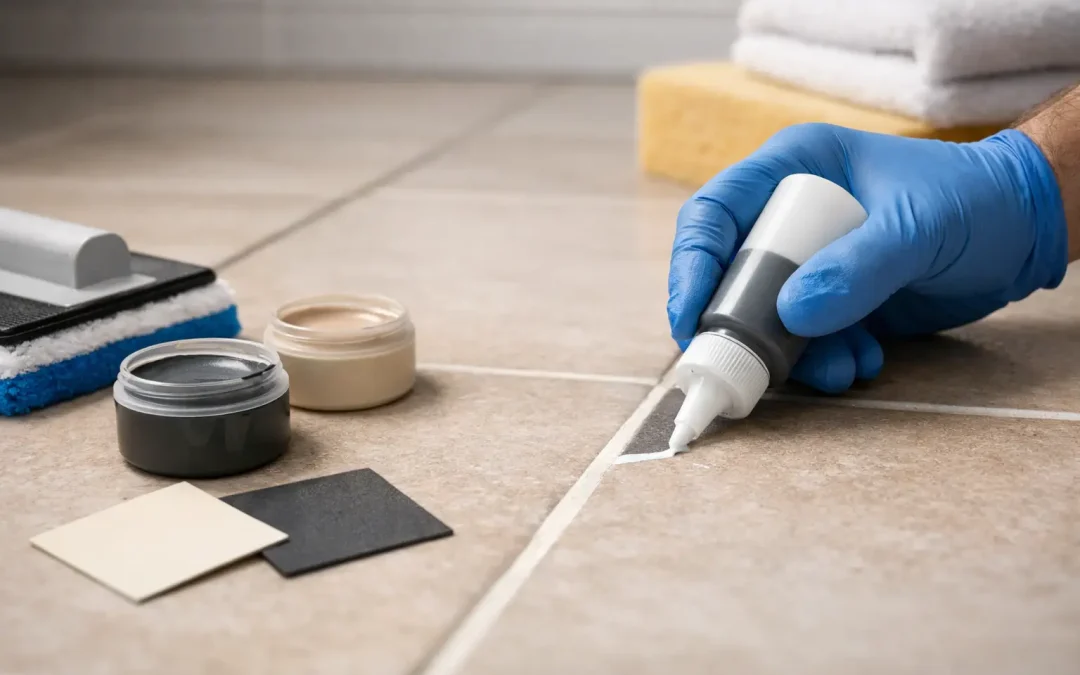
A tile floor can look worn out long before the tile itself is the problem. In many homes, the real issue is the grout. Once grout turns dark, blotchy, or permanently stained, regular mopping stops making much difference. That is where tile and grout color sealing makes a noticeable difference. It restores the overall look of the floor, helps protect the grout, and gives homeowners a cleaner, more uniform finish without the cost of replacement.
For homeowners in Gainesville and surrounding North Central Florida communities, this service is often the practical middle ground between living with an aged floor and tearing it out. If your tile still has life left in it but the grout lines make the entire room look dirty, color sealing is often the better answer.
What tile and grout color sealing actually does
Grout is naturally porous. That means it absorbs dirt, spills, mop water, and oils over time. Even after professional cleaning, some grout lines stay discolored because the staining has worked below the surface. In other cases, older grout looks uneven because some areas have faded while others have darkened.
Tile and grout color sealing addresses both appearance and protection. After the grout is thoroughly cleaned and prepared, a professional-grade color sealer is applied to the grout lines. This coating changes or restores the grout color while also helping seal the surface against future staining. The result is a more even, finished look that can make the entire floor appear newer.
This is not the same as basic clear sealer. A clear sealer helps with protection, but it does not correct major discoloration. Color sealing does both. It covers inconsistent grout tone and creates a barrier that helps dirt and spills stay closer to the surface instead of soaking in.
When tile and grout color sealing makes sense
Not every tile floor needs the same solution. Sometimes a deep cleaning is enough. Sometimes damaged grout needs repair first. But color sealing makes sense in many common situations.
If your grout still looks dirty right after cleaning, that is a strong sign. If the grout lines vary in color from one area to another, color sealing can create a more uniform appearance. It is also a smart option if you want to update the look of a room without replacing the tile. Many homeowners choose a grout color that better fits the tile and makes the floor look sharper and cleaner.
This service is especially useful in kitchens, bathrooms, laundry rooms, entryways, and other areas that get frequent traffic or moisture exposure. Those spaces tend to show grout staining first.
Benefits of tile and grout color sealing
The biggest benefit is visual improvement. Clean, consistent grout lines change how the entire floor reads. A floor that looked old and tired can suddenly look well kept again.
There is also a practical benefit. Sealed grout is easier to maintain than raw, porous grout. Dirt and spills have a harder time bonding to the surface, which helps routine cleaning go further. For busy households, that matters.
Another advantage is cost control. Replacing tile is disruptive and expensive. If the tile itself is still solid, restoring the grout can extend the life of the floor and improve the room without demolition. That makes color sealing a strong value for homeowners who want results without taking on a full remodel.
It can also help with consistency across the home. In many houses, the tile remains structurally fine for years, but the grout ages unevenly. Color sealing brings that surface back into line and gives the space a more intentional finish.
What to expect from the process
Professional results depend on preparation. The floor has to be properly cleaned before any color sealer goes down. If residue, oils, or embedded soil remain in the grout, the finish will not perform the way it should.
In some cases, grout lines may need minor repair before sealing. Cracked, missing, or loose grout should be addressed first. Once the surface is ready, the color sealer is applied carefully to the grout lines and any excess is removed from the tile surface. The goal is a clean, uniform finish that looks natural with the tile, not painted on.
Choosing the right grout color matters too. Some homeowners want to match the original grout as closely as possible. Others prefer a cleaner updated look with a different tone. Both can work. The best choice depends on the tile color, the room, and how much contrast you want to see.
A lighter grout can brighten the floor but may show more future wear in certain areas. A darker grout can be more forgiving in high-traffic spaces. There is no one right answer. It depends on the surface and the household.
Color sealing versus grout replacement
Homeowners often assume badly stained grout has to be removed and replaced. Sometimes that is true, especially if the grout is failing, crumbling, or separating. But many floors do not need that level of work.
If the grout is sound but ugly, color sealing is usually the better option. It is less invasive, more affordable, and faster than full grout replacement. It also avoids unnecessary disruption in active parts of the home.
Replacement makes more sense when the grout is structurally compromised. A professional inspection can tell the difference between a grout line that is stained and one that is actually failing. That distinction matters because the right solution protects your investment instead of just changing the appearance for the short term.
Why DIY results are often uneven
There are store-bought grout color products on the market, but homeowners are often disappointed with the finish. The biggest problem is usually prep. If the grout is not fully cleaned and neutralized, the color can bond unevenly or wear prematurely.
Application is another challenge. Grout lines are narrow, surface conditions vary, and excess product on the tile needs to be handled correctly. A rushed job can leave blotchy grout, haze on the tile, or a result that does not hold up.
That is why many homeowners call a restoration specialist instead of treating this like a weekend project. The process sounds simple until you are working around corners, transitions, textured tile, and old staining that does not respond evenly.
Tile and grout color sealing for Florida homes
Florida homes deal with a mix of traffic, humidity, sand, moisture, and daily wear that can age grout faster than people expect. Entryways, kitchens, pool-adjacent areas, and bathrooms all tend to show buildup and discoloration over time.
For homeowners in Gainesville, tile and grout color sealing is a practical way to improve appearance while adding protection where the floor sees real use. It is especially valuable in homes with light-colored grout, older tile installations, or areas that never seem to look fully clean no matter how often they are scrubbed.
Because tile and grout surfaces vary, the best approach is not guesswork. It starts with identifying whether the floor needs cleaning alone, repair, sealing, or full restoration. That is where an experienced company matters. Natural Surface Restoration works with homeowners who want to restore surfaces the right way instead of replacing them too soon.
How to know it is time to schedule service
If your grout lines stay dark after cleaning, if the floor looks older than it should, or if the room never feels quite clean, it may be time to have it evaluated. The same goes for grout that looks patchy, absorbs spills quickly, or pulls down the overall appearance of the tile.
A professional estimate gives you a clear answer about condition, options, and expected results. In many cases, homeowners are surprised by how much improvement is possible without replacing a single tile.
Good floors do not always need to be replaced. Sometimes they just need the right restoration work to look like they belong in the home again. If your tile still has strength but the grout is telling a different story, color sealing may be the fix that brings the whole surface back to life.
When a floor looks cleaner, brighter, and easier to maintain, you feel it every time you walk into the room.