
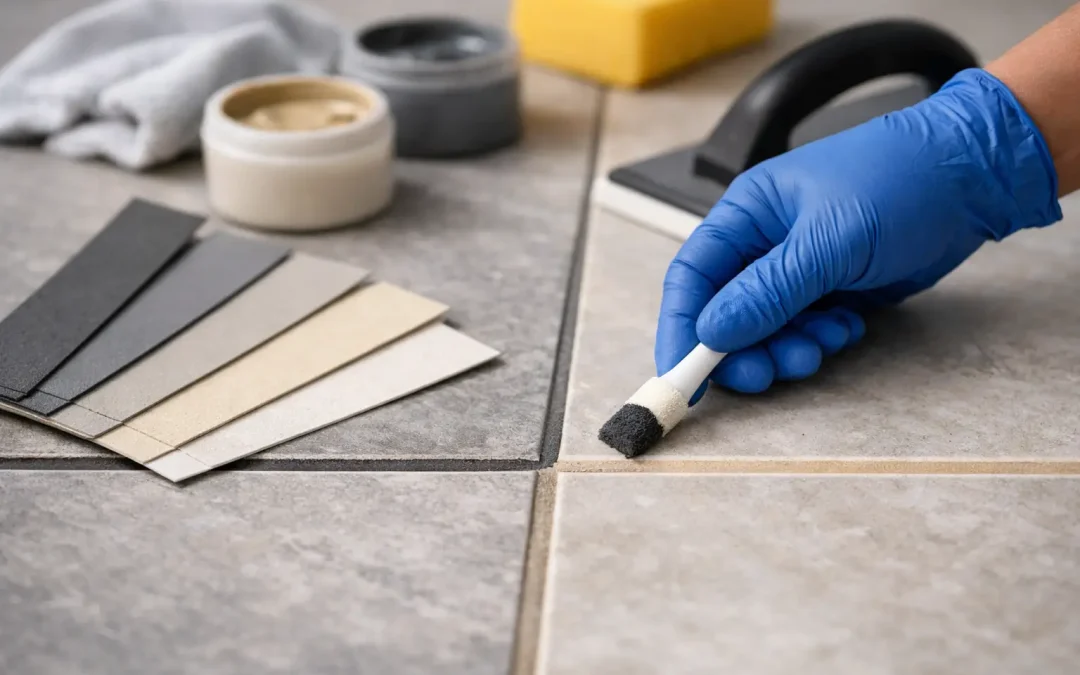
A tile floor can be structurally sound, clean, and still make an entire room look dated because the grout has darkened, yellowed, or picked up uneven stains. The best grout color change options depend on the grout’s condition, the tile material, and whether you want a subtle refresh or a completely different look. For many homeowners, changing grout color is a practical way to revive a kitchen, bath, entry, or laundry room without the cost and disruption of tile replacement.
The right solution should do more than cover discoloration. It should create an even appearance, hold up to regular cleaning, and fit the way the room is used. A light grout color can make a compact bathroom feel cleaner and more open, while a medium gray or taupe can hide everyday soil in a busy kitchen. The key is choosing a method that matches the surface rather than applying a one-size-fits-all product.
Best Grout Color Change Options for Existing Tile
Deep cleaning when the original color is worth saving
Not every dark grout line needs a new color. Sometimes the grout has simply accumulated soap residue, cooking grease, minerals, mildew staining, or tracked-in soil. Professional tile and grout cleaning can remove embedded contamination and reveal much more of the original shade than a homeowner expects.
This is the best starting point when you like the existing grout color and the discoloration is fairly consistent across the floor or wall. Cleaning is also useful before any color-changing treatment because sealers, stains, and colorants need a properly prepared surface to bond evenly.
There is a limit, however. Cleaning cannot reverse permanent staining, grout that has faded unevenly with age, or areas where previous cleaners have bleached the color. If the grout still looks blotchy after a thorough cleaning, a color treatment is usually the better next step.
Grout color sealing for a uniform, protected finish
For most worn or stained cement-based grout, color sealing is one of the most effective options. A grout color sealant is applied carefully along the grout joints after cleaning and preparation. It changes the visible color while adding a protective layer that helps resist future staining and moisture absorption.
Unlike a simple clear sealer, a color sealant can make faded, mismatched grout lines look consistent again. It is especially useful where grout has absorbed years of dirt or where spot repairs have left several different shades in the same room.
Color sealing offers homeowners flexibility. White and warm ivory can brighten older tile, while beige, greige, charcoal, and medium gray often give floors a more current appearance. A darker color can create definition around light tile, but it will also show residue from hard water, dust, or cleaning products if the room is not maintained properly. Mid-tone shades are often the most forgiving choice for high-traffic areas.
The finish depends heavily on preparation and application. Grout joints must be clean, dry, sound, and free of loose material. Excess colorant has to be removed from the tile face without leaving haze or uneven edges. This is why color sealing is best treated as a restoration service, not just a quick paint project.
Penetrating grout stains for a more natural change
Grout stain is another option, although it is not right for every floor. A penetrating stain is designed to absorb into porous, unsealed grout and alter its color from within rather than forming a surface coating. When it takes evenly, the result can look natural and less like a coated finish.
The trade-off is predictability. Older grout may absorb stain unevenly because some joints are more porous, damaged, or contaminated than others. Existing sealers can prevent the stain from penetrating at all. Stains also tend to have fewer reliable color-change capabilities than a quality color sealant, particularly when trying to turn dark grout significantly lighter.
This option works best on grout that is in good condition, has been tested for absorbency, and needs a modest shift in tone. It is less dependable for badly stained grout, heavily used shower floors, or grout with unknown prior sealers.
Regrouting when the joints are failing
A color treatment cannot repair crumbling grout, deep cracks, missing sections, or joints that are no longer bonded properly. In those cases, removing and replacing the failing grout is the correct repair before deciding on a final color.
Regrouting is more labor-intensive than color sealing, especially across a large floor. It can still be the smart investment when the grout has reached the end of its service life. Fresh grout allows for a full color reset and gives damaged joints a sound foundation again.
In wet areas, it is also important to separate grout problems from caulk problems. Changes of plane, such as where a tub meets tile or where two walls meet, typically need flexible caulk rather than grout. A rigid material in those movement areas can crack again even when the color is perfect.
Choosing a Grout Color That Works With Your Tile
The goal is not always to make the grout disappear. The best color is the one that supports the tile, the room’s lighting, and the amount of maintenance you are comfortable with.
Matching grout closely to the tile creates a quieter, more continuous surface. This works well with stone-look porcelain, beige ceramic tile, and small bathrooms where too much contrast can feel busy. Contrast grout makes the tile pattern more noticeable and can be a strong choice for subway tile, geometric layouts, or large-format tile that needs visual definition.
Before committing, consider the undertones already present in the room. Cool gray grout can clash with warm cream tile, while a yellow-beige grout may look dated against crisp white porcelain and brushed nickel fixtures. In many homes, a balanced warm gray or soft taupe provides a cleaner update without making the floor feel stark.
Lighting matters just as much as a sample card. Natural daylight can make grout appear lighter and cooler, while warm bulbs can bring out yellow or brown tones. Looking at test areas in the actual room is more reliable than choosing a color under store lighting.
What to Avoid Before Changing Grout Color
Avoid applying a colorant over dirty grout, loose grout, or a surface coated with waxy residue. The result may peel, wear unevenly, or look patchy from the start. Bleach, acidic cleaners, and harsh abrasive powders can also weaken grout or create uneven color before the restoration begins.
Homeowners should be careful with paint marketed as a grout fix. Some products may look acceptable briefly but are not formulated for regular floor traffic, repeated mopping, shower moisture, or the expansion and contraction of a tiled surface. A painted grout line can chip and leave the floor looking worse than it did before.
It is also worth considering the tile itself. Textured porcelain, unglazed ceramic, natural stone, and honed finishes can hold colorant in pores or surface texture if the work is not controlled carefully. Natural stone requires special attention because the wrong cleaner or color product can stain, dull, or alter the finish.
A Professional Approach Delivers a Longer-Lasting Result
Natural Surface Restoration evaluates the tile, grout condition, previous sealers, traffic level, and desired color before recommending a cleaning, color-sealing, or repair approach. That assessment matters because a kitchen floor, a shower surround, and a screened patio face very different moisture and wear conditions.
For homeowners in Gainesville and across North Central Florida, humidity, hard-water minerals, and frequent indoor-outdoor traffic can all affect grout appearance. A properly prepared and protected grout surface is easier to maintain and helps the tile installation look cared for rather than merely covered up.
A grout color change should make the room easier to enjoy, not add another maintenance problem. Choose a shade that fits the tile, repair weak joints before treating them, and use a method designed to protect the surface for the way your household actually lives.