
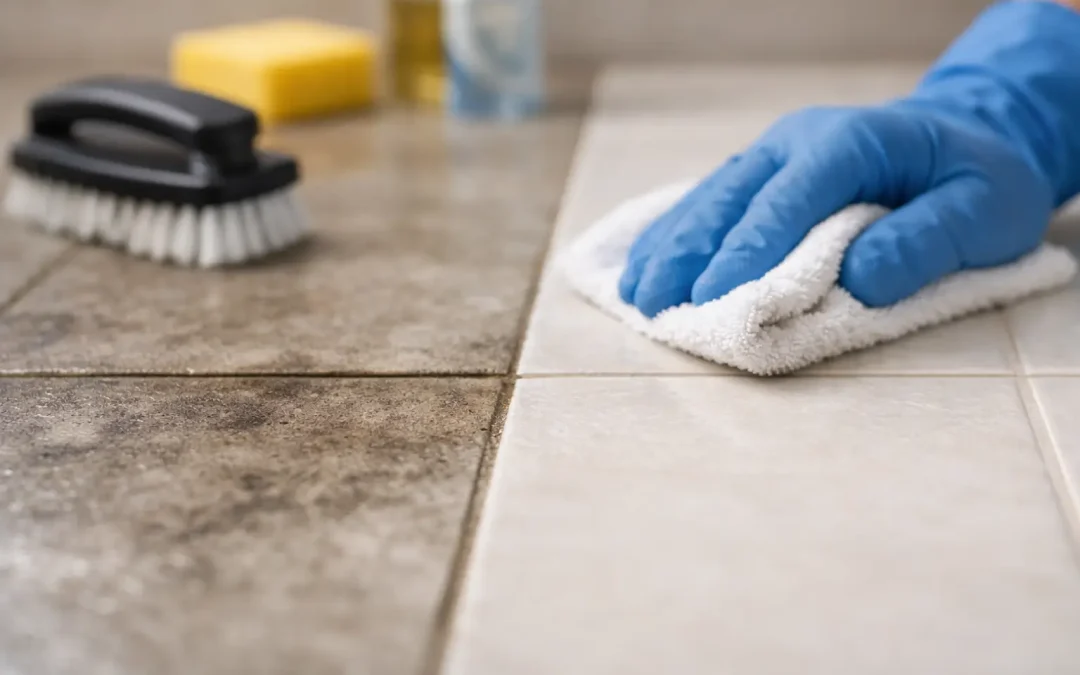
You scrub the tile, rinse the floor, let it dry, and somehow the grout still looks dark, blotchy, or dingy. If you are asking why is my grout still dirty after cleaning, the short answer is that grout does not always respond like tile. It is porous, it holds onto contaminants below the surface, and in many homes the problem is not simple dirt anymore.
That distinction matters. Homeowners often assume a stronger cleaner or more scrubbing will solve it, but grout lines can stay discolored for reasons that have more to do with staining, wear, buildup, or damage than basic surface grime. Once that happens, regular mopping and store-bought cleaners usually hit a limit.
Why is my grout still dirty after cleaning in the first place?
Grout is naturally absorbent unless it has been properly sealed and maintained. Over time, it can pull in mop water, grease, soap residue, pet accidents, food spills, hard water minerals, and fine soil that gets tracked through the house. In kitchens and bathrooms, that process happens faster because moisture and residue are constant.
The result is that the discoloration you see may not be sitting on top of the grout at all. It may be embedded in the pores. When that happens, wiping the tile surface clean does very little for the grout lines themselves.
There is also a second issue many homeowners run into. Grout can become uneven in color because old residue, cleaning chemicals, and wear patterns affect some sections more than others. That is why one part of the floor may brighten up while traffic lanes, corners, and areas near sinks still look dirty.
The most common reasons grout stays dark or stained
One of the biggest reasons is trapped soil. Grout acts almost like a sponge, especially if the original sealer has worn off or was never applied well. Dirt gets pushed down into the pores over months or years, and everyday cleaning only addresses what is sitting on the surface.
Soap and cleaner buildup is another major cause. This surprises a lot of people. A floor can look dirty because it actually has too much product on it. Some off-the-shelf cleaners leave behind a film that attracts more dirt, and over time the grout starts to look gray, sticky, or patchy. In bathrooms, body oils and soap scum can create the same problem.
Then there are true stains. Coffee, red sauce, oils, rust, mildew, and hard water minerals can all leave color behind that does not wash out with standard cleaning. If the grout has changed color because of staining, it may need specialized treatment or color sealing rather than another round of scrubbing.
Age plays a role too. Older grout can break down, become rougher, and hold more contamination. At that point, it is not just dirty. It is worn. Worn grout often looks permanently dingy because its surface has changed.
Why DIY cleaning can make the problem worse
A lot of homeowners try the logical next step: stronger products, harsher brushes, or more frequent cleaning. Sometimes that helps a little. Sometimes it creates a bigger restoration issue.
Acidic cleaners can damage certain tile and grout installations, especially if natural stone is nearby. Harsh scrubbing can erode the grout lines and open the pores even more. Bleach may lighten some organic staining, but it does not necessarily remove embedded soil, and repeated use can leave grout brittle or uneven in appearance.
Steam cleaning can help in some situations, but it is not a cure-all. If the discoloration is caused by deep staining or sealer failure, steam may improve the look without fully restoring the grout. That is where expectations matter. Cleaner does not always mean restored.
Why mopping often leaves grout looking worse
Mopping feels like cleaning, but on grout-heavy floors it often spreads dirty water across porous lines. If the mop water is not changed often, you are reintroducing soil into the grout every pass. Even clean water can leave minerals behind in some homes.
This is especially common in busy kitchens, entryways, and bathrooms. The tile may dry looking decent while the grout stays dark because it has absorbed what the tile has shed. That is one reason homeowners say the floor never really looks clean, even right after they finish it.
When it is not dirt at all
If your grout still looks dirty after repeated cleaning, there is a good chance part of what you see is permanent discoloration. That can come from old stains, worn-out sealer, mildew shadowing, or grout that has simply aged beyond what normal cleaning can correct.
In some cases, the grout was installed in a light color and has darkened unevenly over the years. In others, the original color was never very practical for the room. High-traffic areas tend to reveal that quickly. At that stage, restoration becomes more effective than continued cleaning attempts.
The difference between cleaning, restoring, and color sealing
Cleaning removes surface contaminants and, with the right process, some embedded soil. Restoration goes a step further by addressing the causes of discoloration, improving the appearance of worn grout, and preparing the surface for protection.
Color sealing is often the best option when grout is permanently stained or visually inconsistent. Instead of chasing a perfect clean that may never come, color sealing creates a uniform, refreshed appearance while helping protect the grout from future absorption. For many homeowners, that is the point where the floor finally starts looking right again.
How to tell whether your grout needs professional help
If the grout lightens when wet and turns dark again as it dries, that often points to deep soil or staining still inside the pores. If it stays blotchy after multiple cleaning attempts, residue or permanent discoloration is likely involved. If sections near appliances, tubs, or entry points always look worse than the rest, traffic and moisture have probably changed the grout more than regular cleaning can fix.
Another sign is when the tile looks clean but the lines still make the whole floor appear aged. That usually means the grout has become the visual problem, not the tile surface.
Professional tile and grout cleaning is also worth considering if you are dealing with a large area, delicate surrounding materials, or mixed surfaces such as tile next to natural stone. Using the wrong product in those settings can create avoidable damage.
What professional grout cleaning does differently
Professional service is not just about stronger chemicals. It starts with identifying what is actually causing the discoloration. Soil, soap film, mildew, mineral deposits, and staining do not all respond to the same treatment.
A proper process may include targeted cleaners, agitation methods that do not unnecessarily wear down the grout, extraction that removes suspended soil instead of pushing it around, and sealing or color sealing when protection is needed. That combination is what moves the result from temporarily brighter to genuinely restored.
For homeowners in Gainesville and surrounding North Central Florida communities, that matters because humidity, daily foot traffic, and moisture-prone rooms can accelerate grout problems. A floor may need more than a cosmetic touch-up. It may need a reset and a plan to keep it looking better longer.
How to keep grout from looking dirty again so quickly
Once grout has been properly cleaned or restored, maintenance gets easier, but it still matters. Using a pH-appropriate cleaner, changing mop water often, wiping up spills quickly, and keeping grout sealed can make a visible difference over time.
It also helps to avoid the cycle of over-cleaning with harsh products. Many floors look worse because the grout has been attacked repeatedly by the wrong cleaner in an effort to force a result. Gentler maintenance paired with proper protection usually outperforms aggressive DIY cleaning.
If the grout has reached the point where it always looks dirty no matter what you do, that is usually your answer. The issue is no longer routine housekeeping. It is a surface restoration problem.
Natural Surface Restoration works with homeowners who want more than a temporary improvement. When grout lines are stained, dull, or uneven, the goal is to restore the floor’s appearance and protect it so you are not fighting the same problem every weekend.
A clean-looking floor should actually look clean when it dries. If yours does not, the grout is telling you it needs more than another scrub.