
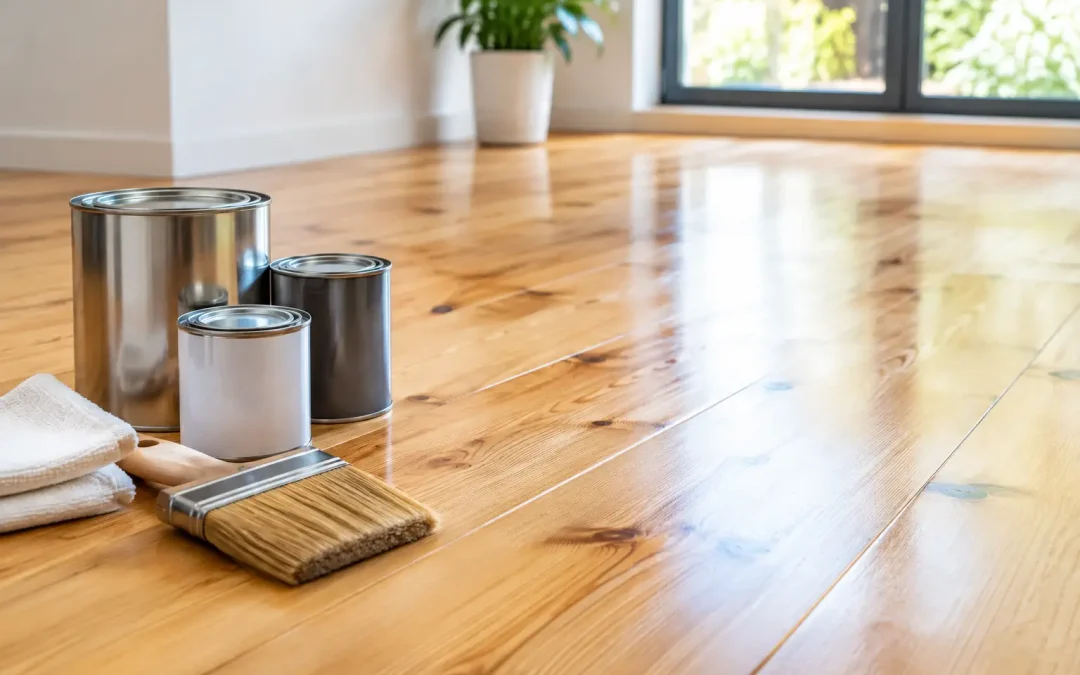
Pine floors earn their character the hard way. The knots, grain variation, small dents, and warm color are part of the appeal, but pine is also softer and more reactive than oak or maple. Choosing among the best finishes for pine floors means balancing the look you want with the protection your household actually needs. A finish that looks beautiful in a low-traffic bedroom may not hold up the same way in a busy Gainesville kitchen with pets, children, and frequent visitors.
The right answer depends on the age and condition of the floor, how much natural light it receives, and whether you prefer a traditional amber tone or a cleaner, more natural appearance. For most homes, a quality polyurethane or hardwax oil system provides the strongest combination of beauty and long-term protection.
Why Pine Needs the Right Finish
Pine is a softwood. It can dent from dropped items, heel marks, furniture legs, and active daily use more easily than many hardwood species. No finish can make pine indestructible, but the right finish can reduce surface wear, resist spills, and make routine cleaning easier.
Pine also absorbs stain unevenly. Dense latewood and softer earlywood take color differently, often creating blotchy areas if the floor is not prepared correctly. That is why finish selection should begin with proper sanding, cleaning, and, when staining is planned, a wood conditioner or compatible sealer.
Florida humidity adds another consideration. Wood naturally expands and contracts as moisture levels change. A finish should protect the surface without preventing the floor from responding naturally to seasonal conditions. Proper preparation and application matter just as much as the product chosen.
Best Finishes for Pine Floors in Active Homes
Oil-based polyurethane for maximum traditional durability
Oil-based polyurethane remains one of the best choices for pine floors in high-traffic areas. It builds a durable protective film over the wood, offering strong resistance to scuffs, moisture, and everyday wear. It is especially practical for living rooms, hallways, dining rooms, and homes where pets are part of the routine.
Its biggest visual effect is color. Oil-based polyurethane deepens pine into a richer golden or amber shade, and that warmth increases over time. Many homeowners love this traditional look because it brings out knots and grain. Others find it too yellow, especially when the home has lighter, more contemporary finishes.
A satin sheen is often the practical choice for pine. It has enough light reflection to look finished and clean, yet it hides small scratches and dust better than gloss. Gloss can make a pine floor look striking immediately after refinishing, but it tends to show every imperfection in a busy room.
Water-based polyurethane for a lighter, cleaner look
Water-based polyurethane is another excellent choice, particularly when preserving pine’s lighter natural color is a priority. It dries clear rather than amber, so the floor remains closer to the color it had after sanding. It also dries faster and has a lower odor than many oil-based systems, which can be helpful when a home needs to return to normal quickly.
The trade-off is that water-based polyurethane can look less warm on old pine. Some homeowners see that as a benefit, while others feel it removes part of the vintage character they expected. It is also less forgiving of rushed application. Uneven coats, lap marks, or poor sanding can be more visible because the finish does not add as much color depth.
For a pale, clean-lined interior or rooms with abundant natural light, water-based polyurethane can be one of the best finishes for pine floors. Choosing a professional-grade product and applying enough coats are key to getting reliable protection.
Hardwax oil for a natural, repairable surface
Hardwax oil is a strong option for homeowners who want pine to feel like wood rather than look coated in plastic. Instead of creating a thick film on top of the boards, it penetrates into the wood while leaving a protective layer at the surface. The result is a low-sheen, natural appearance that works particularly well in cottages, historic homes, and spaces with a relaxed style.
One advantage is spot repair. If an area becomes scratched or worn, it can often be cleaned, lightly abraded, and re-oiled without sanding the entire floor. That can be valuable with soft pine, where dents and small marks are expected over time.
Hardwax oil is not always the best fit for every household. It needs the right maintenance products and periodic care to stay protected. In a kitchen, entryway, or home with frequent spills, neglected hardwax oil can absorb moisture and stain more easily than a well-maintained polyurethane finish. It is a good choice for homeowners willing to follow a maintenance plan, not for those seeking the lowest-maintenance option possible.
Finishes That Require More Caution
Traditional penetrating oils, such as tung oil or linseed oil, can create a warm hand-rubbed appearance, but they offer limited protection in high-use spaces. They may work in a lightly used bedroom or a decorative area, but they require regular reapplication and do not provide the spill resistance most modern households expect.
Wax finishes create a soft, classic sheen and were common on older wood floors. However, they need ongoing buffing, can be slippery when overapplied, and make future coating difficult unless the wax is fully removed. Wax is usually better reserved for floors with a specific historic restoration goal.
Shellac has a beautiful amber tone and can be appropriate for certain period-correct projects, but it is vulnerable to water rings, alcohol, and heat. It is rarely the best standalone finish for a working family floor.
Stain or Clear Finish: Which Is Better for Pine?
A clear finish is often the safer route with pine. It lets the natural variation show through and avoids the uneven color absorption that can make dark stains look blotchy. Clear oil-based polyurethane will warm the floor considerably, while clear water-based polyurethane will keep it lighter.
If you want a darker or more uniform color, the floor needs careful testing before the full application begins. A conditioner, sanding sealer, gel stain, or tinted finish may help control uneven absorption, but every product system behaves differently. Test boards or inconspicuous areas are not optional with pine.
Very dark stain can also make dents, scratches, and worn edges more noticeable, especially as the floor ages. Medium brown, honey, and natural tones are usually more forgiving. They fit the material rather than trying to make pine imitate a different species.
Preparation Determines How Long the Finish Lasts
Even the best finish cannot correct poor preparation. Old wax, oil, residue, pet stains, failed coatings, and uneven sanding can prevent a new finish from bonding properly. Pine requires a careful sanding sequence because it is easy to create dips, swirl marks, or uneven edges in the softer grain.
Before refinishing, inspect for loose boards, protruding nails, deep stains, gaps, and previous repairs. Fixing these issues first gives the new finish a stable surface. It is also wise to remove furniture, protect adjacent surfaces, and allow appropriate curing time before replacing rugs or moving heavy pieces back into the room.
Once finished, use felt pads under furniture, place breathable mats near exterior doors, and wipe up spills promptly. Avoid harsh cleaners, steam mops, and excessive water. Those simple habits protect the finish and reduce the need for premature refinishing.
Choosing the Right Finish for Your Home
For most active households, satin oil-based polyurethane is the practical front-runner because it offers durable protection and enhances pine’s natural warmth. Water-based polyurethane is the better fit when you want a lighter color and faster drying time. Hardwax oil is ideal when a natural, low-sheen appearance and repairable surface matter more than minimal maintenance.
The condition of an existing floor can change the recommendation. Old pine with deep wear, prior coatings, or uneven color may need more than a basic recoating. Natural Surface Restoration evaluates the wood, existing finish, traffic level, and desired appearance before recommending a refinishing approach that protects the floor without hiding its character.
Pine does not need to look perfect to look beautiful. A finish chosen for the way your home is actually used will let the wood age with character while keeping it protected for the years ahead.