
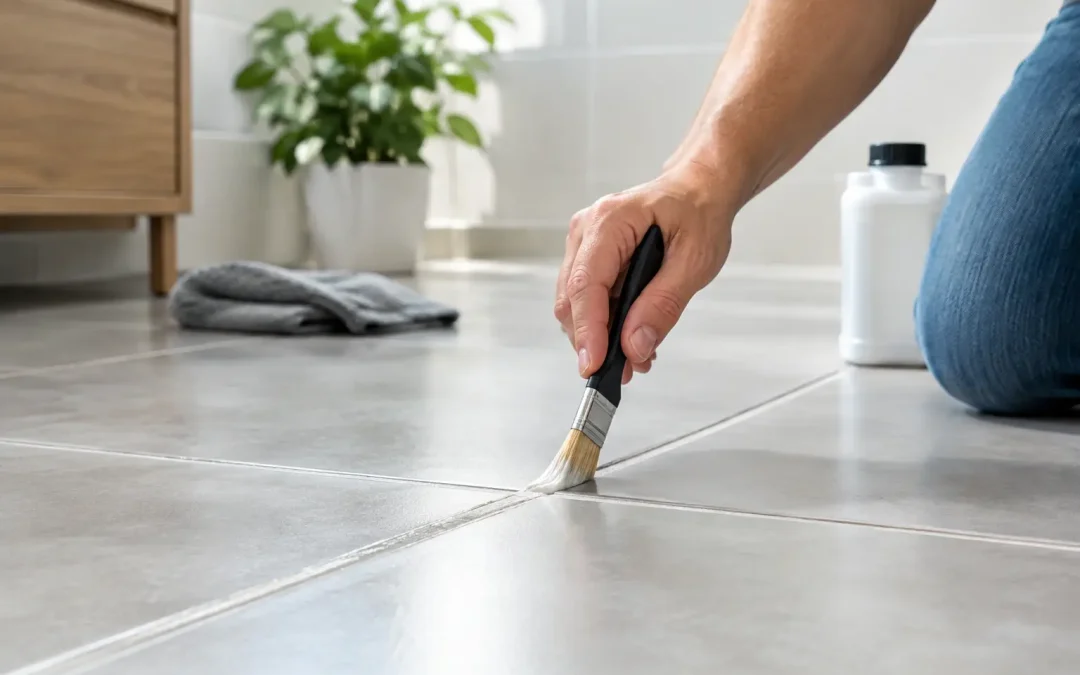
A clean tile floor can still look neglected when the grout lines are dark, blotchy, or permanently stained. So, does grout need sealing? In many homes, yes. Proper sealing helps absorbent grout resist moisture, spills, soil, and discoloration – especially in kitchens, bathrooms, entryways, and showers. But not every type of grout needs the same treatment, and applying sealer to the wrong surface will not solve an existing grout problem.
Does Grout Need Sealing in Every Room?
Most traditional cement-based grout benefits from sealing because it is porous. Tiny openings in the grout allow water, oils, soap residue, dirt, and colored liquids to work below the surface. Once that happens, routine mopping or scrubbing may not be enough to restore its original color.
Sealer reduces that absorption. It gives homeowners more time to clean up a spill before it leaves a mark and makes regular maintenance more manageable. It does not make grout waterproof, stain-proof, or maintenance-free. Think of it as a protective barrier that slows down what can soak in.
The rooms that usually benefit most are kitchens, bathrooms, laundry rooms, mudrooms, foyers, and any tiled area exposed to Florida humidity, wet shoes, pet traffic, cooking splatters, or frequent cleaning. Shower walls and shower floors deserve particular attention because they deal with repeated moisture and body-care products.
That said, grout type matters. Epoxy grout is far less porous than standard cement grout and generally does not require a penetrating sealer. Some newer high-performance grouts are also formulated with stain resistance built in. If you are unsure what was installed, it is better to identify the material before sealing rather than assume every grout joint needs the same product.
Why Sealing Grout Makes a Difference
Unsealed grout often changes color gradually. A light beige joint becomes gray around a kitchen island. White shower grout develops yellowing, mildew staining, or dull patches. Floor grout darkens most noticeably along traffic paths, while the grout under furniture remains lighter. These patterns are not always a sign of poor housekeeping. They are often a sign that porous grout has collected contaminants over time.
Sealing is most valuable after the grout has been professionally cleaned or restored to a more even color. Applying sealer over embedded dirt, soap film, or staining can trap the problem beneath the surface. The grout may be protected afterward, but it will still look dirty.
For heavily discolored grout, cleaning alone may not deliver a consistent result. In those cases, a grout color-sealing service can be a practical option. Color sealing refreshes the appearance of the grout while creating a more uniform, protected finish. It can be especially useful for older tile floors where the tile itself is in good condition but the grout has become the visual weak point.
Which Grout Usually Needs Sealer?
Cementitious grout is the most common type found in residential tile installations, particularly in older homes. It is typically used between ceramic, porcelain, stone, and many other tile types. Because it is absorbent, it is the grout most likely to benefit from a penetrating sealer.
Sanded grout, commonly used in wider joints and on floors, should usually be sealed unless it is a specialty product with its own manufacturer guidance. Unsanded grout, often used on wall tile and narrow joints, can also be porous and may need sealing. Natural stone installations require extra care because the stone and the grout may each need protection, but not necessarily with the same product or method.
Epoxy grout is different. Its resin-based composition makes it highly resistant to moisture and staining. Sealer usually cannot penetrate it, so applying one often provides little value. The same can be true of certain premixed or polymer-enhanced grouts. Product instructions and the condition of the installation should guide the decision.
A Simple Absorption Check
If you do not know whether existing cement grout is sealed, place a few drops of water on a clean grout joint and watch what happens. If the water darkens the grout quickly or disappears into it, the grout is likely absorbent and may be due for sealing. If the drops stay on the surface for several minutes, some protection may still be present.
This test is only a starting point. Shower grout can look dark because of moisture behind the tile, soap residue, or mildew, not simply because it needs a new coat of sealer. Persistent staining, loose grout, cracking, or recurring moisture problems should be evaluated before adding protection.
When Should You Seal New Grout?
New grout needs time to cure before it is sealed. The exact curing period varies by product, but many cement-based grouts need at least 48 to 72 hours, and some require longer. Sealing too early can interfere with curing or trap moisture in the joint.
The installer or grout manufacturer should provide the right schedule. This detail matters because there is no universal waiting period that fits every product. Once the grout has cured, is dry, and is free from construction dust or residue, it can be sealed if the grout type calls for it.
For existing grout, there is no need to seal on a calendar date if the surface is still protected and clean. A water-absorption test, visible wear, increased staining, and the location of the tile are better indicators. High-traffic kitchen floors may need attention more often than a decorative backsplash that rarely gets wet or touched.
How Often Should Grout Be Resealed?
Many cement grout installations need resealing every one to three years, but the real answer depends on use, cleaning habits, and the quality of the original sealer. A busy family bathroom or shower may need protection sooner than a guest bathroom. A tile floor near an exterior door can lose protection faster because it sees grit, water, and frequent cleaning.
Strong acidic or abrasive cleaners can also shorten the life of a sealer and damage grout itself. Vinegar, harsh bathroom chemicals, and aggressive scrubbing may seem like quick fixes, but they can leave grout rougher and more vulnerable to future staining. For routine care, use a pH-neutral cleaner appropriate for tile and grout, then rinse away residue rather than allowing cleaner to build up in the joints.
Good ventilation also matters in showers. Sealer helps with absorption, but it does not stop mold growth caused by constant dampness. Run the exhaust fan, squeegee excess water when practical, and address leaks or failed caulk promptly.
Sealing Will Not Fix Every Grout Issue
A sealer is protection, not repair. It will not correct cracked grout, missing sections, failed shower waterproofing, loose tile, or deep mineral deposits. It also will not remove mildew, efflorescence, grease, or years of embedded soil on its own.
That distinction can save homeowners from wasting time and money. If grout looks uneven after cleaning, or if the joints are stained beyond practical restoration, color sealing may be a better choice than repeatedly applying clear sealer. If tiles and grout are deteriorating because of water intrusion, the underlying source must be addressed first.
Natural Surface Restoration helps North Central Florida homeowners assess the condition of their tile and grout, clean heavily soiled joints, and provide protective sealing or color-changing solutions when they are the right fit. The goal is not simply to make grout look better for a few days. It is to restore a cleaner, more consistent surface that is easier to maintain.
Before sealing, make sure the grout is clean, dry, sound, and suited to the product being used. That extra step is what turns grout sealing from a short-lived coating into meaningful protection for the tile surfaces you rely on every day.