
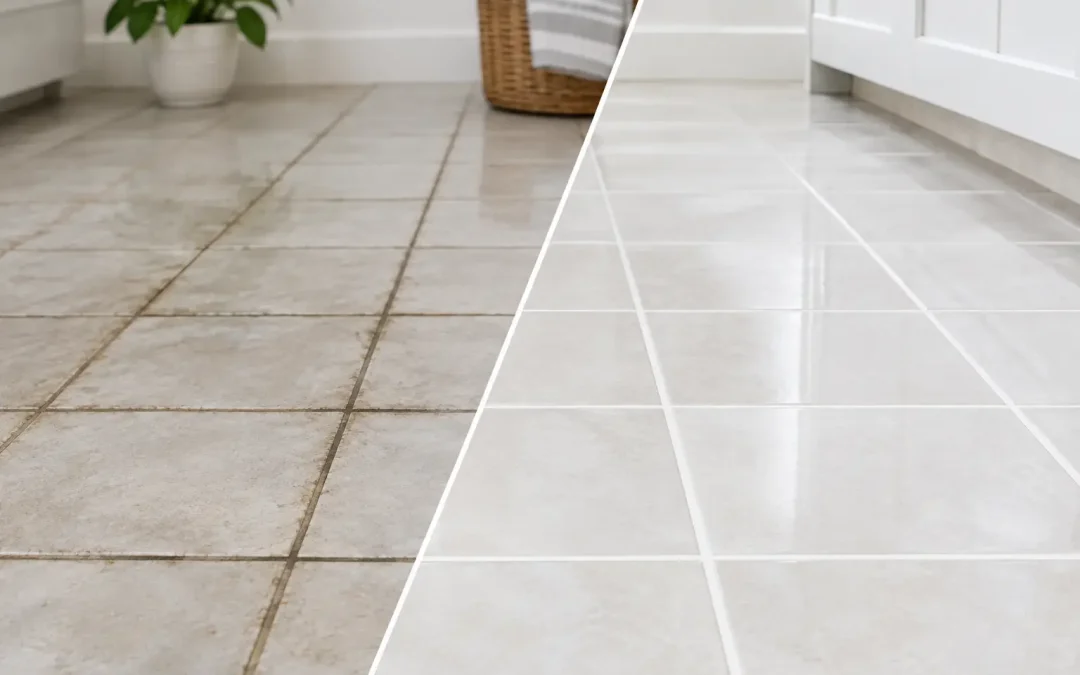
A stained grout transformation can change the appearance of an entire kitchen, bathroom, entryway, or shower without removing a single tile. When grout lines turn dark, orange, blotchy, or permanently discolored, even well-kept tile can make the room feel dated. The good news is that many of these floors and walls do not need replacement. They need the right cleaning, restoration, and protection plan.
For homeowners, the challenge is often knowing whether the grout is simply dirty or whether the color has changed beyond what ordinary cleaning can correct. That distinction matters. Aggressive scrubbing can waste time, damage grout, and still leave uneven results. Professional restoration starts by identifying what is in the grout and what the surface needs next.
Why grout becomes stained in the first place
Grout is naturally more porous than tile. Unless it has been properly sealed and maintained, it can absorb moisture, oils, soap residue, dirt, minerals, and spills. In busy homes, that process happens gradually enough that the change is easy to miss until the grout looks dramatically darker than it did when the tile was installed.
Kitchen grout often absorbs cooking oils, tracked-in soil, and spills. Bathroom grout can collect soap film, body oils, hard-water minerals, mildew, and residue from cleaning products. Entryways and laundry rooms take on Florida sand, mud, pet traffic, and moisture. Shower grout faces a different problem: constant humidity can support mildew and leave mineral deposits that ordinary household cleaners do not fully remove.
Some discoloration is surface-level and responds well to deep cleaning. Other stains have penetrated the grout or changed its color permanently. Rust-colored marks, persistent dark traffic lanes, old pet accidents, and years of embedded residue may remain visible even after a strong cleaning. That is where restoration choices become more valuable than repeated DIY effort.
What a stained grout transformation can include
The best approach depends on the tile material, the grout condition, the room, and the result you want. A professional assessment should distinguish between grout that can be restored to its original appearance and grout that would benefit from a color-changing treatment.
Deep grout cleaning
Professional tile and grout cleaning uses equipment and solutions designed to lift embedded soil from the grout lines while protecting the surrounding tile. This is not the same as spraying a cleaner, waiting a few minutes, and mopping. The goal is to remove buildup from the pores of the grout and extract it rather than simply spread it around the floor.
Deep cleaning is often the right first step for grout that looks dingy but still has a consistent original color underneath. It can make a noticeable difference in kitchens, hallways, bathrooms, and living areas with ceramic or porcelain tile. Results depend on the age of the stain and whether the grout has been previously sealed, but cleaning gives a clear picture of the grout’s true condition.
Grout color sealing
When cleaning alone cannot produce an even appearance, color sealing can provide a more complete stained grout transformation. This process applies a durable colorant and protective sealer to the grout lines. It can restore a uniform color, cover permanent discoloration, and make future cleaning easier by reducing the grout’s ability to absorb new stains.
Color sealing is particularly useful when white or light-colored grout has become uneven, when grout colors vary from one area to another, or when homeowners want a different color that better suits the room. A medium or darker grout color may be more practical in high-traffic areas, while a fresh light color can brighten a bathroom or backsplash. The right choice is not always the darkest color available. It should complement the tile and fit how the room is used.
Minor grout repair before restoration
Cleaning and color sealing cannot correct grout that is missing, loose, deeply cracked, or failing around wet areas. Those issues should be repaired first. Damaged grout can allow moisture to reach areas where it does not belong, particularly in showers and around tubs.
A few isolated cracks may be straightforward to address. Widespread cracking, movement, or recurring moisture problems may point to a larger issue beneath the tile. In those cases, a responsible recommendation may be repair or replacement in the affected area rather than applying a cosmetic finish over a failing surface.
When cleaning is enough and when color sealing makes sense
There is a practical trade-off between these two options. Cleaning preserves the grout’s existing color and is usually appropriate when discoloration is largely soil or residue. It is also a good choice for homeowners who want to refresh the surface before deciding on a more involved restoration.
Color sealing costs more than cleaning because it is a detailed restoration service, but it can deliver a more consistent finish when stains are permanent. It is often the better long-term value for older tile floors with light grout, heavily traveled areas, or grout that has been unsuccessfully cleaned many times before.
The condition of the tile matters as well. Porcelain and ceramic tile are commonly good candidates for professional grout cleaning and color sealing. Natural stone requires more caution because some cleaning products, acidic solutions, and aggressive methods can etch or dull the surface. If stone tile is present, the cleaning method must be selected for that specific material rather than treating every tiled floor the same way.
Why household grout cleaning often falls short
Homeowners often start with bleach, vinegar, baking soda, steam, or a stiff brush. A mild cleaning routine can help with ongoing maintenance, but heavy staining usually requires more than surface cleaning. Some common methods create new problems.
Bleach may temporarily lighten certain stains, but it does not reliably remove the embedded source of discoloration. Repeated use can weaken grout over time. Vinegar and other acidic cleaners may be unsafe for natural stone and can affect cement-based grout. Abrasive pads and hard brushing can wear down the grout surface, making it more porous and more likely to stain again.
Steam can be useful in certain settings, but it is not a cure-all for deeply absorbed stains or damaged grout. It also needs to be used carefully around loose tile, failing grout, and sensitive surfaces. The issue is not whether a household product is popular. The issue is whether it is appropriate for the material and the cause of the staining.
The details that make the result last
A grout transformation should not stop at a cleaner-looking floor. Protection is what helps preserve that result. After cleaning or color sealing, the grout needs appropriate cure time and a realistic maintenance routine. In wet spaces, controlling moisture and removing standing water matters just as much as the cleaning product used.
For routine care, use a neutral cleaner recommended for tile and grout, avoid harsh acids and bleach-based products unless specifically advised, and clean spills before they have time to settle into the grout. Entry mats can reduce the sand and grit brought into kitchens, hallways, and entryways. In showers, regular ventilation and a quick wipe-down after use can limit soap buildup and moisture-related staining.
It also helps to set reasonable expectations. No grout surface is completely maintenance-free, especially in a family bathroom, pet-friendly home, or active kitchen. Proper restoration and sealing do not eliminate cleaning. They make cleaning more manageable and help the grout resist the stains that once made the tile look worn out.
A better way to decide if your grout is worth restoring
If the tile itself is in good condition, restoration is often the smarter alternative to replacement. Replacing tile can involve demolition, dust, disposal, matching challenges, and a much larger budget. Restoring the grout preserves a surface you already own while improving the room’s overall appearance.
Natural Surface Restoration evaluates the tile, grout, staining, and surrounding conditions before recommending cleaning, color sealing, repair, or another path. That matters for homeowners in Gainesville and across North Central Florida, where humidity, hard water, outdoor grit, and active households can all leave their mark on tile surfaces.
A floor or shower does not need to look brand new to be worth saving. If the tile is sound and the grout is the part letting the room down, the right restoration can bring back a clean, finished look and give you a surface that is easier to care for going forward.