
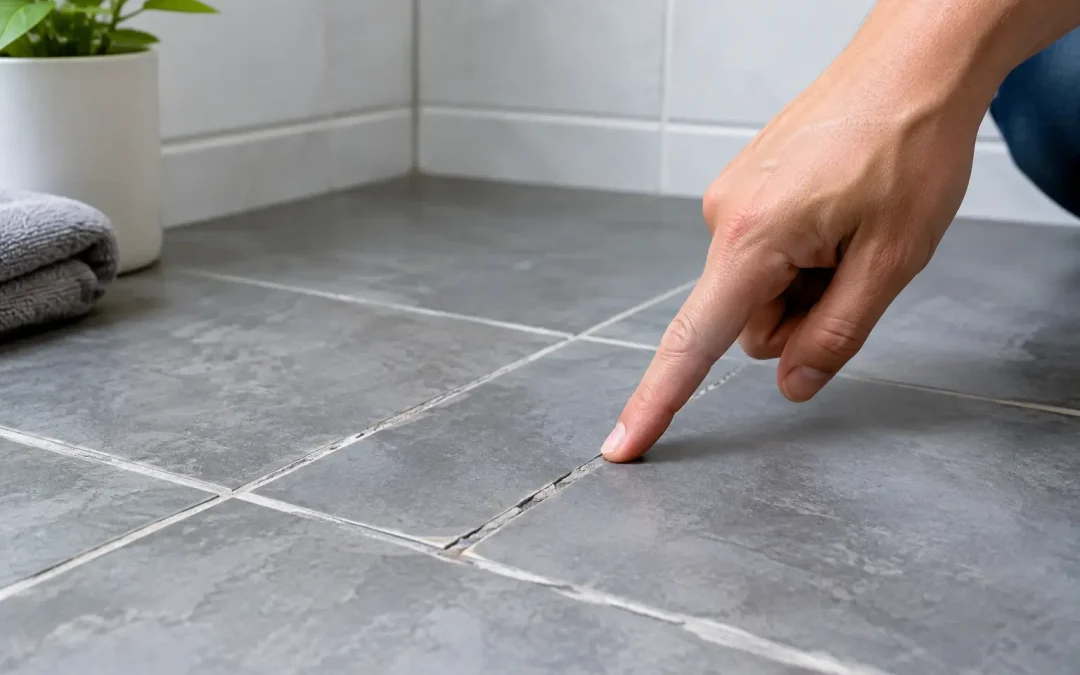
A tile floor can look worn out long before the tile itself has reached the end of its life. The usual culprit is the grout: darkened joints, missing sections, cracks, or stains that no amount of mopping seems to touch. Homeowners often ask, “when should tile grout be replaced?” The answer depends on whether the grout is simply dirty and discolored or whether it has begun to fail.
Grout does more than fill the spaces between tiles. It supports the finished look of the installation, keeps debris out of the joints, and helps manage moisture in areas such as bathrooms, kitchens, entryways, and showers. Knowing the difference between grout that needs restoration and grout that needs replacement can save you from replacing tile unnecessarily.
When Should Tile Grout Be Replaced?
Tile grout should be replaced when it is loose, crumbling, deeply cracked, missing in multiple areas, or allowing water to reach the material behind the tile. These are signs of physical failure, not just a surface-cleaning problem.
A small crack in one isolated joint may be repairable, particularly if it resulted from a minor impact or a gap around a fixture. Widespread cracking is different. It can point to movement in the subfloor, wall, or tile installation. Replacing grout without addressing the source of that movement may only produce the same issue again.
In a shower, deteriorated grout deserves prompt attention. Repeated water exposure can work its way through open or damaged joints. While grout itself is not the sole waterproofing layer behind a properly built shower, failed grout can expose a developing problem and make the surface harder to maintain.
Signs the Grout Is Actually Failing
The condition of the grout matters more than its color. Watch for grout that brushes away or falls out during routine cleaning, joints that look visibly lower than the tile edges, persistent cracks that return after a simple repair, or areas where tiles feel loose or sound hollow when tapped.
Missing grout around tub edges, shower corners, backsplashes, and other change-of-plane areas needs a closer look. Those joints are often designed for flexible sealant rather than rigid grout because the surrounding surfaces move differently. Using the wrong material there can lead to recurring cracks.
If you see water staining on an adjacent wall, soft drywall, a musty odor, or loose tile, the issue may extend beyond the grout lines. That calls for a proper assessment before any cosmetic work begins.
Dirty Grout Does Not Always Need Replacement
Discoloration is the most common reason homeowners assume their grout is beyond saving. In many Gainesville-area homes, floors collect fine outdoor grit, cooking residue, soap film, hard-water deposits, and cleaning-product buildup. Light-colored grout makes every bit of that traffic visible.
Deep cleaning can often restore grout that looks permanently dark but remains solid and intact. Professional equipment and grout-safe cleaning methods can remove embedded soil more effectively than a mop or store-bought spray. This is especially useful for ceramic and porcelain tile floors where the tile is still in good condition but the joints have become uneven in color.
Some stains will not fully release, even after thorough cleaning. Rust, dye transfer, mineral staining, aging sealers, and years of absorbed oils can leave permanent color variation. That does not automatically mean the grout needs to be removed. Color sealing is often the more practical solution.
A grout color sealant applies a consistent new color over cleaned, sound grout. It can brighten faded white grout, cover stubborn staining, or change the grout color for a cleaner, more updated look. It also adds a protective barrier that makes routine maintenance easier. For many floors, this delivers the appearance of new grout without the disruption and cost of full removal and replacement.
Repair, Regrout, or Color Seal: Choosing the Right Fix
The best approach depends on the grout’s condition and the location of the tile. A serviceable grout line that is stained, porous, or blotchy may only need deep cleaning and color sealing. A few damaged joints may need targeted repair before cleaning and sealing the rest of the floor.
Full regrouting makes sense when grout failure is widespread, when the joints are heavily eroded, or when a wet area has significant missing material. This process involves removing compromised grout to an appropriate depth, preparing the joints, and installing new grout correctly. It is more involved than cleaning, but it gives damaged tile joints a sounder foundation when replacement is truly necessary.
There are trade-offs. Regrouting can be dusty and time-consuming, and it does not fix loose tiles, structural movement, or moisture damage behind a wall. Color sealing is less invasive and can produce a dramatic visual improvement, but it should not be used to hide grout that is crumbling or detached. An honest evaluation protects the tile installation and prevents paying for a short-term cosmetic fix.
How Long Should Tile Grout Last?
There is no single replacement schedule for grout. A low-traffic tiled wall may look good for decades, while kitchen floors, busy entryways, and showers face far more wear. Installation quality, grout type, moisture exposure, cleaning habits, and whether the grout was sealed all affect its lifespan.
Cement-based grout is naturally porous and benefits from proper sealing where appropriate. Frequent use of harsh acidic cleaners, bleach-heavy products, and abrasive scrubbing can weaken grout over time. So can repeatedly soaking a floor with dirty mop water, which can drive soil into unprotected grout joints instead of removing it.
A simple maintenance routine helps preserve grout longer. Vacuum or sweep grit before mopping, use a cleaner suited to the tile and grout, avoid aggressive acids unless the surface has been evaluated, and address spills promptly. In showers, reducing standing water and improving ventilation can limit soap buildup and mildew staining.
Do Not Ignore Cracks in Tile and Grout
Cracked grout beside cracked tile is a warning sign. The cause may be a dropped object, but it can also be movement below the tile, an expanding crack in a concrete slab, or a flooring system that was not properly prepared. Covering those cracks with fresh grout may make them less visible temporarily, but it will not stop movement beneath the surface.
Likewise, grout that repeatedly cracks along a long straight line can indicate a stress point in the installation. A knowledgeable surface restoration specialist can help distinguish between a maintenance issue and a condition that may require tile repair or further investigation.
Get the Most From Tile That Is Still Worth Saving
Tile replacement is expensive, disruptive, and often unnecessary when the tile itself remains secure and attractive. Restoring the grout can improve the entire room, sharpen the tile pattern, and make floors feel cleaner without tearing out a functioning surface.
For homeowners who are unsure whether their grout needs cleaning, color sealing, repair, or replacement, Natural Surface Restoration can evaluate the condition of the tile and grout and recommend the approach that fits the surface. The right solution should restore the appearance you want while protecting the tile you already have for years to come.